Step 01
Sift
Sift 3 g through a small sieve, about a heaped teaspoon. This is the step everyone skips, and it is the one that kills the clumps.
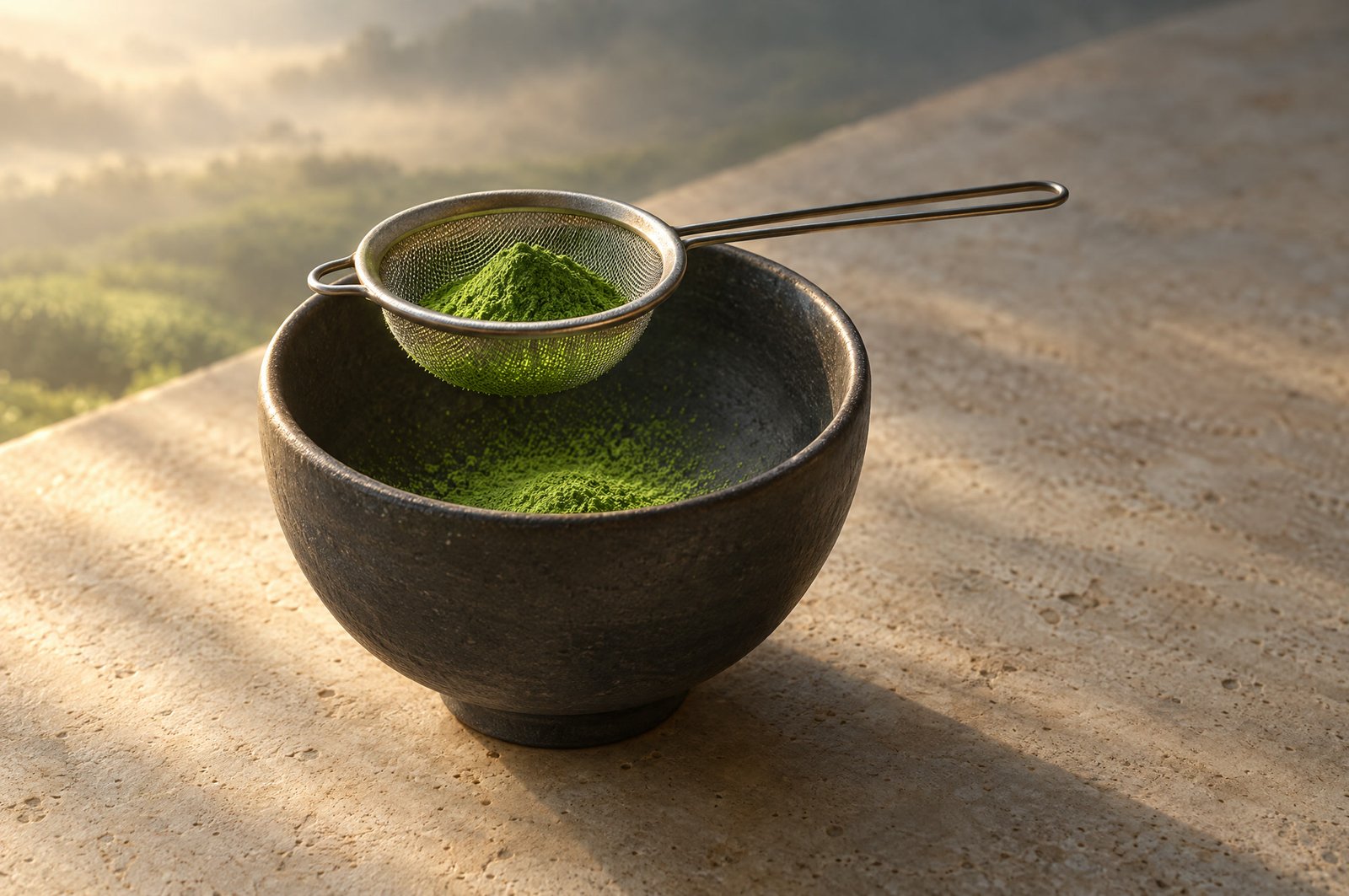
Sunlight makes tea bitter.
So we take the sun away.
Twenty-one days under cloth.
The leaf turns sweet in the dark.
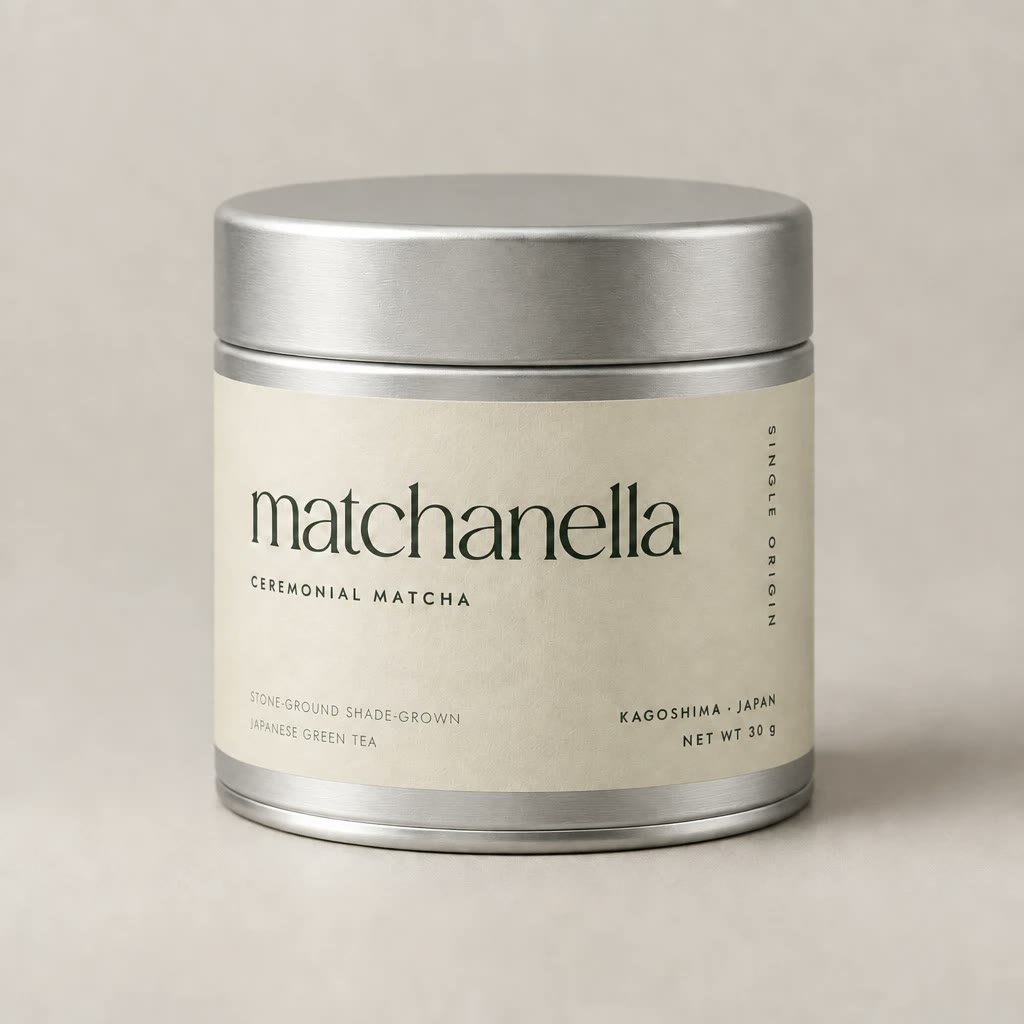
Ceremonial matcha from Kagoshima. Shade-grown, single origin.
Ceremonial matcha from Kagoshima. Shade-grown twenty-one days, single origin.
Choose your sizeSingle origin / Kagoshima, Japan
One field. One harvest. Ground slowly between two stones until it is fine enough to disappear into water.
Why it is not bitter
Tea left in full sun builds up the compounds that taste sharp. Put it under cloth and the leaf slows down. It keeps its amino acids and its sweetness instead. That is the whole trick. It is also why your matcha should never taste like a lawn.
Twenty-one days
Press and hold. Watch the leaf go dark.
The part a grade cannot tell you
Anyone can print the word ceremonial on a bag. These are the things they would have to prove.
Ninety seconds
Sift 3 g through a small sieve, about a heaped teaspoon. This is the step everyone skips, and it is the one that kills the clumps.
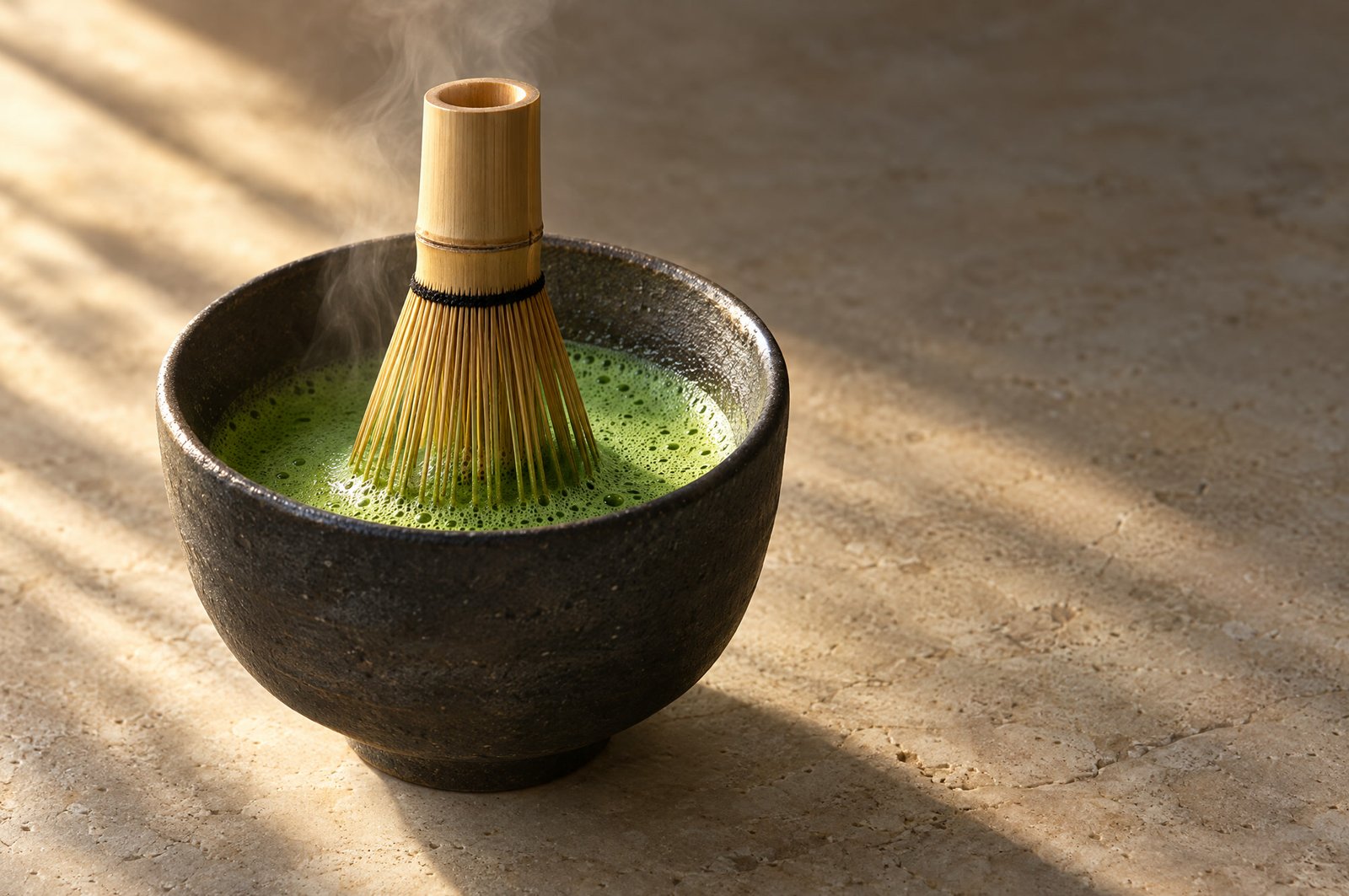
Add 30 ml of water just off the boil, around 70 degrees. Whisk in a W, not a circle, until the top holds a foam.
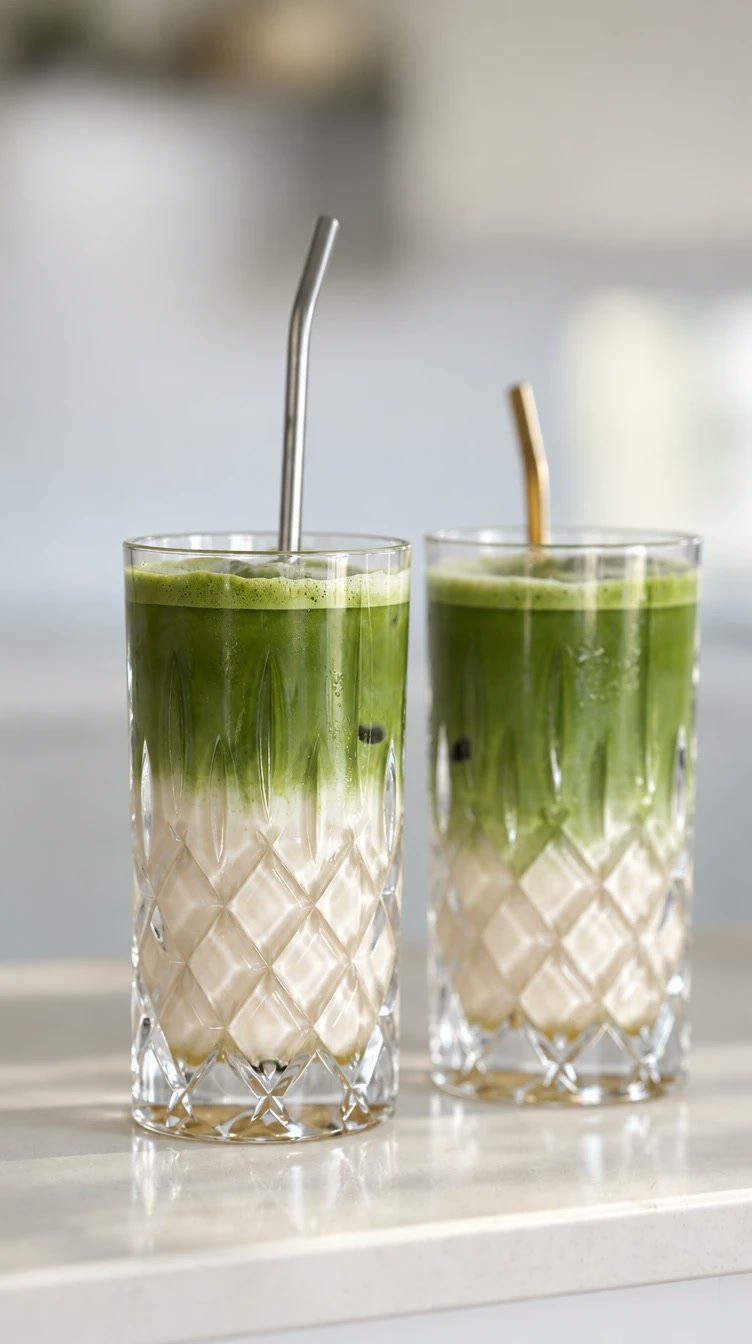
Drink it straight, or pour it over cold milk and ice.
No bamboo whisk yet? A small milk frother gets you most of the way. Start there and buy the whisk later.
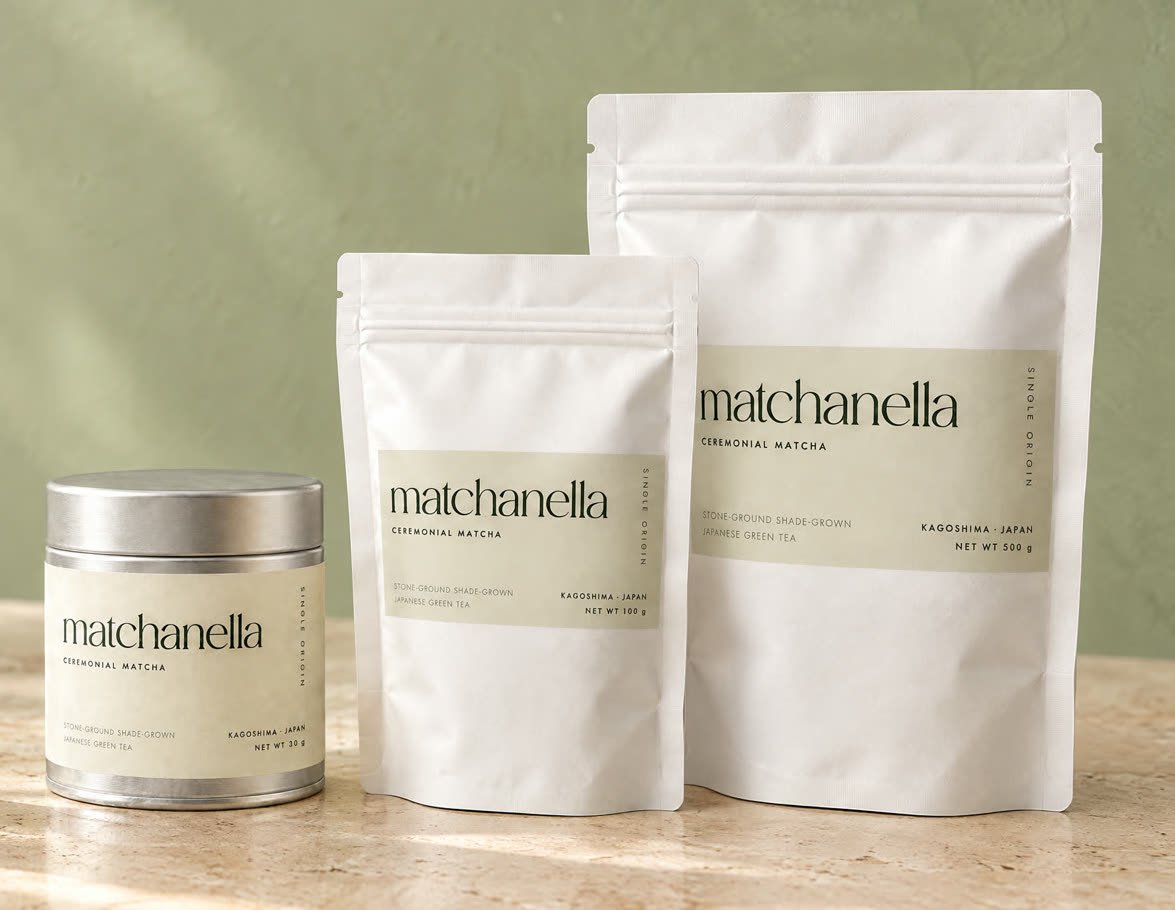
Three sizes
Ten cups at three grams. The one to start with.
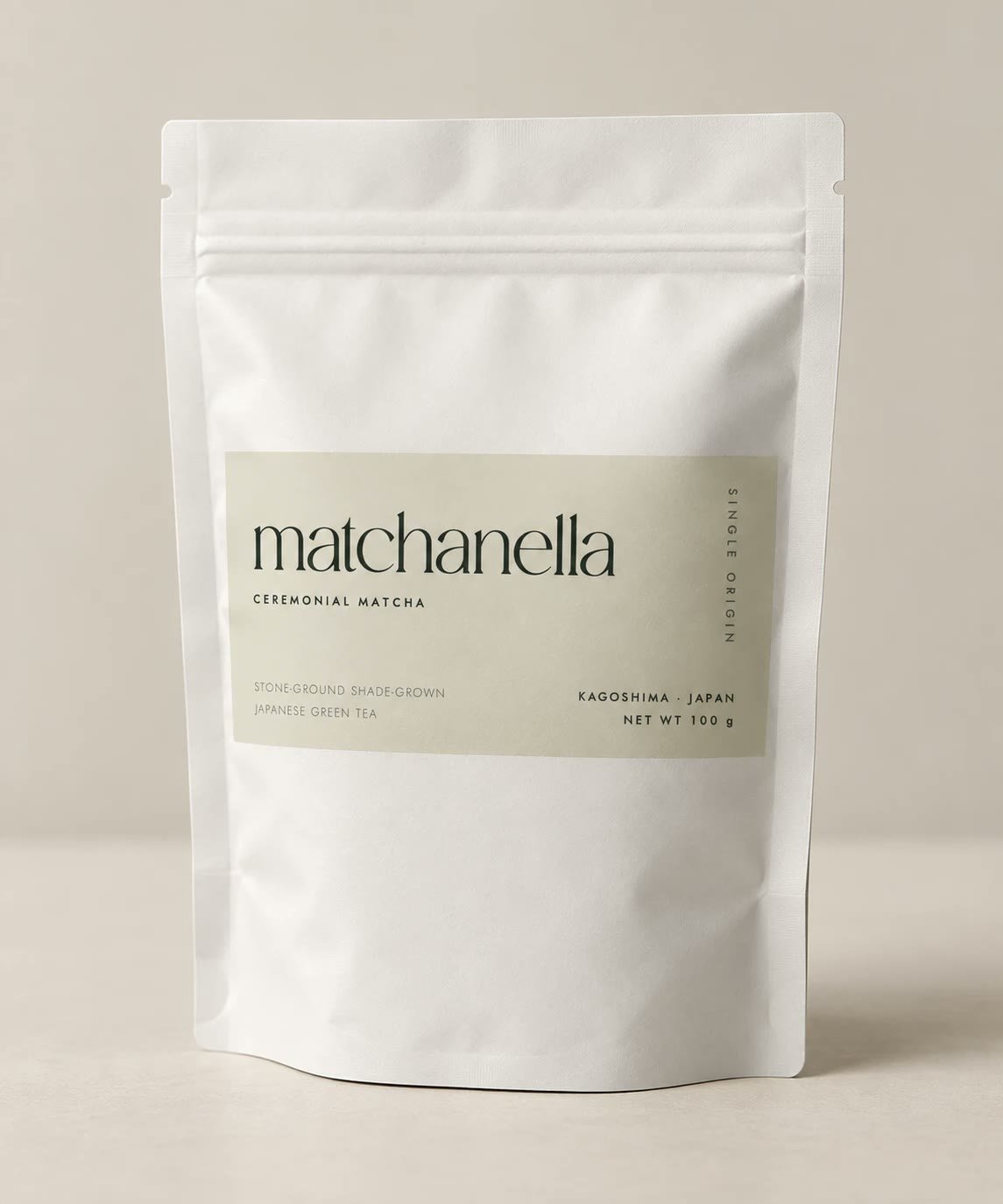
For the daily habit, once you have one.
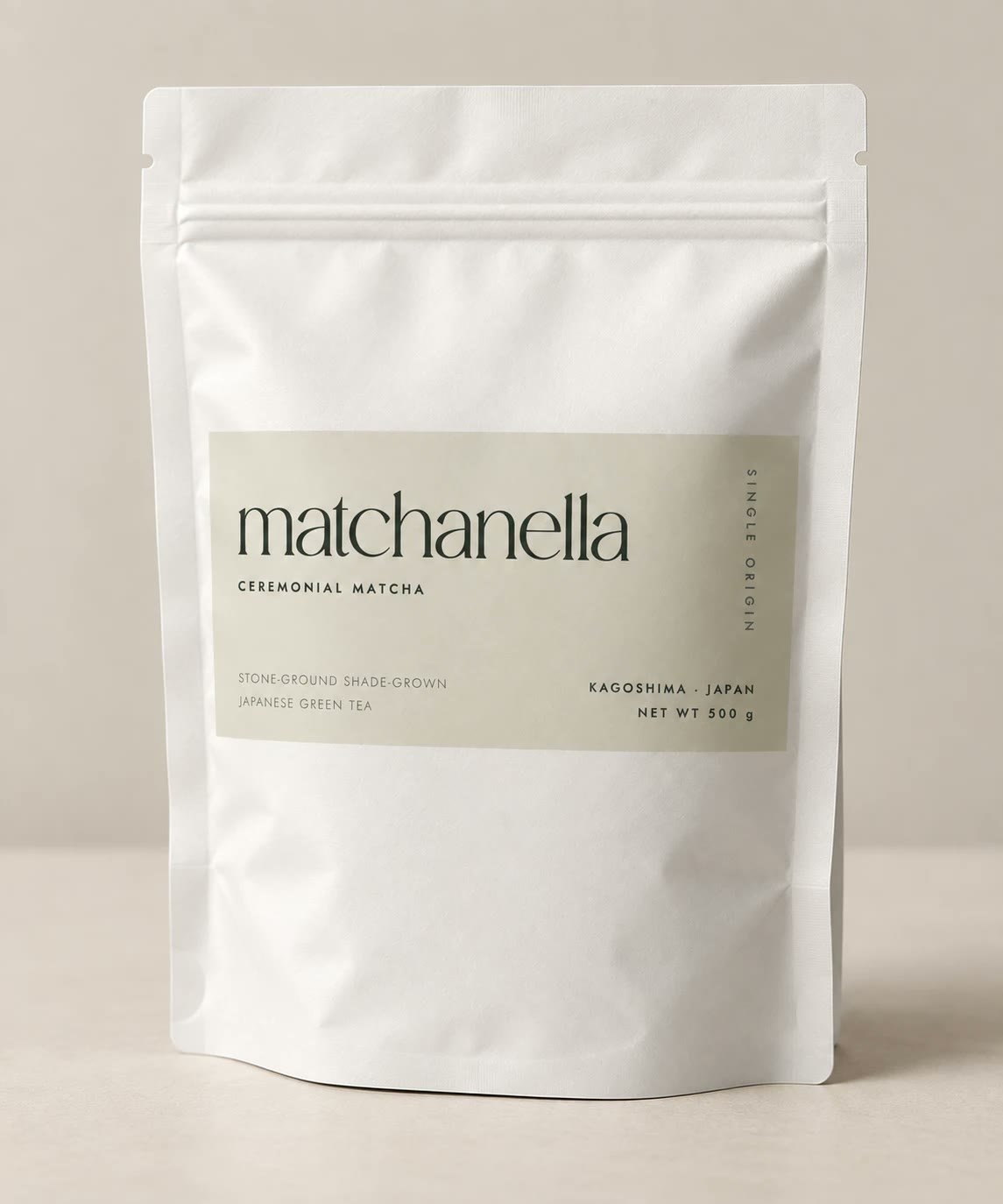
Once you know you drink it every day. The lowest price per cup.
Cup prices are worked out at 3 g, the amount in the three steps above. Prices include VAT. Shipping is €4.90 per order, however much you buy.
Buying guides warn that a big bag means old stock, and they are usually right. Ours is not a different tea in a bigger bag. It is packed from the same first flush as the 30 gram tin, nothing older. Buy the size you will finish inside two months, keep it sealed and cold, and the size stops mattering.
Two other ways to buy
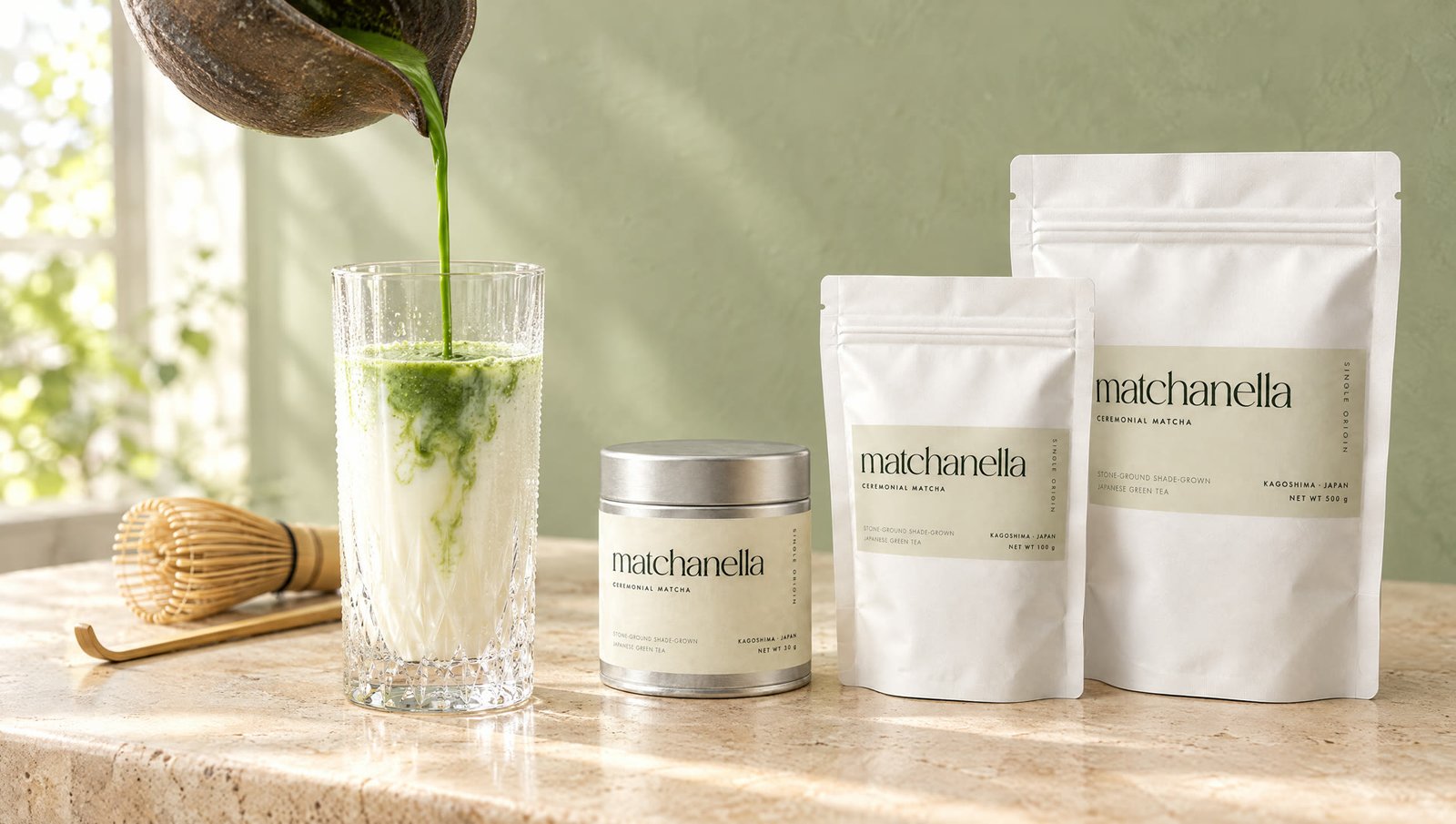
The same tea from the same harvest. These two exist because a single pouch cannot do what they do.
30 g tin + 100 g pouch
100 g pouch, every month
Cup prices are worked out at 3 g, the same as above. The old price is what the same tea costs bought separately. Prices include VAT. Shipping is €4.90 per order; the Monthly plan includes it.
The rule from the sizes above still holds: matcha fades at about two months once it is open. At three grams a cup the Explorer is forty-three cups, which is six weeks of most people's drinking. The Monthly is a hundred grams, thirty-three cups, which is a cup a day for a month — it arrives as the last one runs out, and you can stop it whenever you like.
Cafés, shops and offices buy on different terms. Tell us what you go through and we will quote you.
What is actually in the cup
Three grams carry roughly half the caffeine of a cup of filter coffee. The shade also raises the leaf’s L-theanine — the amino acid behind the sweetness and the broth-like depth. It is a flavour compound first. How the cup sits with you is yours to find out; we would rather you tasted it than read about it.
The questions people actually ask
You should not, on the word alone. Believe the facts instead: Kagoshima, twenty-one days under cloth, first flush. If a seller will not tell you those three things, walk.
It should not. Bitterness in matcha usually comes from sun-grown leaf, water that was too hot, or powder that has sat open too long. Sift it, keep the water off the boil, and close the tin.
No. A small milk frother works, and so does a jar with a tight lid. The whisk makes a better foam, so buy one when you know you will keep drinking it.
About two months at its best. Matcha does not spoil, it fades. Keep it sealed, cold, and away from light.
Roughly half a cup of filter coffee, at three grams. If you are coming from coffee, that is a smaller dose than you are used to.
Almost certainly. At three grams a cup it holds over a hundred and sixty cups, far past the two months it stays at its best. It makes sense where several people drink it daily. Start with the tin.
Coffee is glare. This is shade.
Thirty grams. Ten cups. If it tastes like a lawn, we have failed and we want to hear about it.
Choose your size